
Sudden Health or Behavioral Changes?
Suspect Mold or Moisture Issues?
Even the cleanest of homes can have mold or moisture intrusion. The trick is to regularly monitor the water-way areas and stay alert for leaks and stoppages. Or, as the EPA states “The key to mold control is moisture control.” Not everyone is sensitive to mold, but for those that are suffering vague medical symptoms, mold should be eliminated from the cause.

How to inspect home for possible mold and moisture intrusion
Do you suspect that your home may have a moisture leak or mold? Is there a musty odor? Any sounds of water dripping? Has the health status of a family member changed suddenly? Uncovering a hidden moisture issue requires detective work and an open mind.
Inspect the home for leaks or signs of moisture or areas where mold may grow.
Walk around the exterior of the home:
- Walk around outdoors and look for breaks in the stucco; holes in the wall; or water stains.
- Does the building have wood siding? Looks for holes or openings where water could seep inside.
- Does the wall or stucco have a shiny area? This can mean that the sprinklers are hitting the wall: exterior sprinklers should never spray the wall.
- Does the area where the ground hits the outside wall look sealed such as concrete against the stucco or sealer?
- Is there water, mud, or puddling without an obvious source of moisture? Is there one area that is significantly greener than the rest of the yard? These could mean a leaky sprinkler system or sewer.
- Conduct a water meter test by turning off all the faucets in your home; wait 1 hour. If the meter is still running, you could have a water leak.
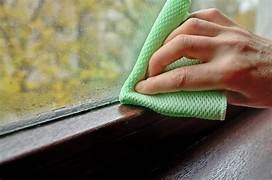
Walk around the interior of the home:
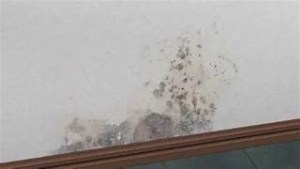
Carefully examine every wall and ceiling, especially those adjacent to the ground and near water such as the bathrooms and kitchen.
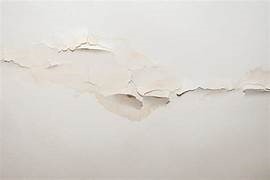
- Look for bubbled or peeling paint.
- Look for water stains (brownish in color) on the wall or ceiling.
- Check under every sink and toilet, running your hand along the floor, pipes, and edges.
- Smell the bathrooms and kitchen sink. A foul smell can mean a messy sewer or drainpipe.
- Do any faucets have water pooling around the base? A leaky faucet can cause moisture underneath, especially with a wooden cabinet.
- Turn off all noise-making devices and listen for running water; water leaks can sometimes be detected by sound.
- Look at the water bill for the previous 6 months; an unexpected increase can mean a leak.
- While you are inspecting your toilets, also look for leaky toilets (a faulty flapper); although they do not create mold, they can waste water.
- Inspect the attic and basement for any type of water intrusion.
- Look for moldy fruit or potatoes in the kitchen.
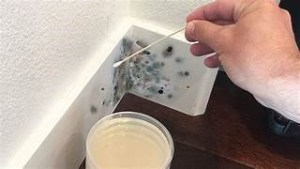
Roof leaks and leaky pipes can cause moisture inside of walls. Often this moisture will dry out on its own, but if the leak is excessive and there is no air flow, mold may develop. Mold needs heat, moisture, and darkness to grow. No need to be alarmed if moisture or a water leak is found in your home. See the finding as an opportunity: an opportunity to catch a problem before it gets worse. Try to analyze the area and see how it may be related to the pipes, roof, or sprinklers.

An exterior sighting can mean just a simple adjustment of the sprinklers or patching a hole in the stucco. A water stain or moist wall can mean an interior plumbing leak. Call a licensed plumber to investigate. Be aware that some plumbers are “hole happy” and love to make huge holes in walls. If possible, avoid any holes in the stucco as it will never look the same, and could break the (exterior water) seal created initially. Ensure that the room is sealed off when the repair is made as the dust can set off the sensitive person.
While the plumber is there, have them clean the sink drains (unless you have the skill and stomach to do so); snake the toilets; check the showers; look at the faucets; and check under all the sinks for leaks. An honest plumber will inspect all water outlets with the service call. Also, consider having the sewer line snaked. A slow-moving sewer line can contribute to mold-like illness or sensitivity.
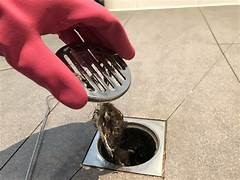
Sink drains can build up with all sorts of gross yech, and can contribute to mold-like illness or sensitivity. A brave person wearing a mask can take a long pair of “tool” tweezers (6-12”) and dig the stuff out. Make sure the contents are placed into a trash bag and dispose of immediately; disinfect the sink afterwards with boiling water and a scent-free cleaning agent such as bleach. Review the CDC page on using bleach to clean mold before beginning the process.
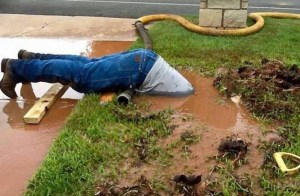
A slow or leaking sewer line can also contribute to mold-like illness. If someone flushes a wipe or female pad and it gets caught on an invasive root, the offender can catch sewage flowing past and start an unhealthy situation. Additionally, a broken sewer line can cause sewage to “hang back” or not clear the property as designed. This uncleared sewage can cause sewer gasses to stealthily leak into the home without obvious signs; however, symptoms can include toilets that get a black ring; an odor especially on hot days and a closed-up house; dirty shower floor; clothes not smelling clean after washing; and more.

Invest in a HEPA air cleaner and have the unit run continuously. If moisture or mold is found, do not panic; address the issue realistically and methodically. Even the cleanest homes can have mold develop especially if the bathroom does not have an open window or the door is kept closed. Rooms with water need air circulation to ventilate or mold will grow.

If you are concerned about any mold discovered, there are certified mold inspectors that can test the mold. However, once the cause of the moisture is eliminated, such as a leaky pipe, most moldy situations can be safely cleaned with basic cleaners without threat of recurrence. Only you can decide which is the best route to pursue, Research Mama does not take a stance on when to hire a mold specialist as each individual situation is different. However, be wary of over-enthusiastic mold inspectors and remediation firms, especially if you have a limited budget.
https://www.johnsoncomfort.com/7-ways-to-find-hidden-water-leaks-in-your-home/
https://www.angi.com/articles/how-find-leak.htm
https://www.epa.gov/mold/brief-guide-mold-moisture-and-your-home#tab-4