“Why will my child not use silverware. I teach her; I coax her, but she still refuses.”
Maybe the child is not misbehaving but simply protecting herself from what is on the utensils or what the utensils are made from.

Considerations for rejection of utensils:
- Soaps used to clean utensils
- Materials utensils are made from
- Allergy or chemical sensitivity
- Hyperosmia- Sensitive sense of smell
- Plumbing Issue
- Scented eating environment
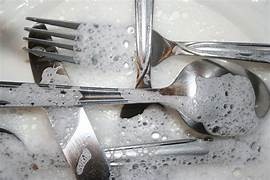
“My child is a picky eater.”
The picky eating habits may not be the child. Keep an open mind and put on your detective hat as there may be an underlying reason.
Soaps used to clean utensils
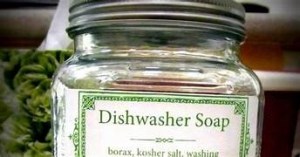
Do you wash your dishes by hand or use a dishwasher? Soaps can affect people sensitive to chemicals or just individuals with a strong sense of smell. Consider changing dishwasher detergent or soap to a mild “free” soap?

What Are Our Dishes/ Utensils Made From?
Consider also evaluating the materials the forks and knives are made from. According to the Nickel Institute, stainless steel cutlery contains up to 10% nickel, in addition to 18% chromium; the higher the percentage of nickel, the higher the quality of cutlery. About 10% of the U.S. population suffers from Nickel allergy.

Plastics
Plastics are known to leach into food and drinks especially when exposed to heat. However, with diligence and creative thinking, one can minimize food contact with plastic, especially since some of the chemicals from plastic have been linked to health problems such as metabolic disorders (including obesity) and reduced fertility. Consider stainless steel or glass when appropriate.
Plumbing Issues and Eating habits:
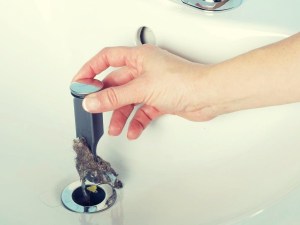
Believe it or not, a slight plumbing backup can affect a child’s appetite or ability to use utensils. If the child has a sensitive nose and there is a plumbing backup, the fermenting, rotting backup could be “odorizing” dishes or even the room.
Other plumbing-related causes can include a sink drain or dishwasher that needs sanitizing. Sanitizing sink drains can include running the garbage disposal with lots of water; pouring hot water down all sink drains; or utilizing a simple disinfectant like bleach water down the drain. The dishwasher may also need sanitizing by running the dishwasher with vinegar; other manufacturer recommended sanitizers (and no dishes); cleaning the filter; or wiping the drain area.
Hypersomia and Heightened Sense of Smell
Some people tend to have an extra sense or extremely sensitive sense of smell. This extra sense of smell can be associated with hypersomnia or a problem with cranial nerve 1. For example, an infection or trauma to CN1 can heighten the sense of smell. Although hypersomnia does not always require treatment, it can signal an underlying health issue such as Parkinson’s Disease; Lyme Disease; Lupus; or Vitamin B12 deficiency.
Known Causes For A Sensitive Nose:
- Genetics
- Illness/ Infection
- Exposure to toxins
- Plumbing Issue
- Allergy or chemical sensitivity
- Physical trauma
- Nutrition
- Migraines
Other factors can also disturb our sense of smell including: exposure to toxins, such as lead or mercury, allergies, auto-immune disease, polyps, tumors, diabetes, and nutritional deficiencies. Regardless, if an individual demonstrates a heightened sense of smell, awareness of their surroundings, behaviors, and overall health should be noted, along with an evaluation by a licensed practitioner.
Whether or not, the person has a formal diagnosis, awareness of patterns with odor sensitivity; wearing of N95 masks in high-risk areas; refrain from scented materials and soaps; and avoidance of the triggers can all contribute to the comfort of the person who suffers from a sensitive sense of smell in our odorous world.
References:
https://www.health.harvard.edu/staying-healthy/is-plastic-a-threat-to-your-health#:~:text=Studies%20have%20found%20that%20certain,including%20obesity)%20and%20reduced%20fertility.
(https://health.clevelandclinic.org/whats-that-smell-what-you-need-to-know-about-hyperosmia/, November 12, 2019)
(https://www.verywellhealth.com/hyperosmia-overview-4682565, Heidi Moawad, MD, February 12, 2020)
(https://nickelinstitute.org/about-nickel/food-contact-materials/, 2021). (https://www.ncbi.nlm.nih.gov/pmc/articles/PMC3667300/)
.( Wabnegger A, Schlintl C et al. Altered grey matter volume in ‘super smellers’. Brain Imaging Behav. 2018;. doi: 10.1007/s11682-018-0008-9)