

Living With Mu ltiple Chemical Sensitivity or Environmental Illness
Are You Chemically Sensitive?

Living with chemical sensitivity presents many challenges especially the lack of support from the medical community; the American Medical Association does not recognize multiple chemical sensitivity as an illness so these patients are often referred to behaviorists or left in the dark.
Additionally, even on the internet, popular medical websites have limited information or guidelines for the sufferer; Without a medical diagnosis and clear direction, the person who suffers from chemical sensitivity must navigate the management of the symptoms on their own, but this is slowly changing.
The landscape for MCS as a medical condition is evolving; for example, a popular website WebMD finally created a page in 2021 to address the condition. The State of Massachusetts, Department of Public Health defines Multiple Chemical Sensitivity (MCS) as a “chronic condition, sometimes referred to as environmental illness, total allergy syndrome, sick building syndrome, chemical intolerance, or idiopathic environmental intolerance.” Aside from lack of medical community support for MCS sufferers, there are certain management tips that help provide symptomatic improvement.

MCS symptoms
Symptoms are often vague and wide-ranging and often resemble the flu.
- Joint Pain, muscle pain, or stiffness,
- Mood changes, behavioral outbursts, odd behaviors
- Headache, migraine symptoms
- Fatigue
- Confusion, trouble concentrating, memory problems
- Dizziness, seizures
- Nausea, vomiting
- Allergy symptoms such as itching, sneezing, nasal congestion
- Sore throat
- Chest pain; changes in heartrhythm
- Asthma symptoms and other breathing problems
- Skin Rash
- Diarrhea, bloating, gas

Triggers can include:
- Food types (preservatives, additives, pesticide-laden fruits and vegetables)
- Tobaccosmoke
- Auto exhaust (and UFPs from brake and tire dust)
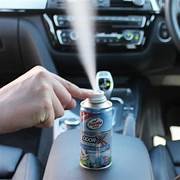
- Perfume/ Cologne/ Lotion/ Shampoo/ Sunscreen
- Artificial scents/ essential oils
- Insecticides/ pest control/ flea control treatments
- New carpet or flooring (Love that “new floor” smell? Guess again.)
- Pool Chemicals
- Books and Printed Materials: Binder glue, ink, photos
Solutions: Take a Break; Find a Safe Space
Dr. Ann McCampbell, author of Multiple Chemical Sensitivity, trained in internal medicine at UCLA and worked in women’s health before she became ill with severe Multiple Chemical Sensitivity (MCS) in 1989. She turned her misfortune into a way to help people: as a consultant, Dr McCampbell helps sufferers navigate their sensitivities.
A patient presented with an odd array of symptoms and reactions or behaviors can expect a unique approach to answers. She offers suggestions such as removing the child from the home and the geographical area to see how the child behaves in a clean-air environment (like Hawaii or the local mountains).
Not every budget can manage Hawaii, but every area has escapes away from farms, traffic, manufacturing, and other potential triggers. Finding a “safe space” can be instrumental in helping the sufferer find peace and even begin the path to healing.
Utilizing this safe space as often as possible, if even weekly, can help the body (and person) to heal. When we talk about healing with MCS we are not necessarily talking about a 100% turn-around cure, but the ability to tolerate living in a normal community and recognize when triggers exist.

Other Solutions for Sensitive Individuals
- HEPA Air Cleaner for home, work, classroom, daycare
- Wearing a KN95 mask in high-risk areas like stores, classroom, work, car
- Learn to identify the triggers: listen to the person; watch the behavior changes
Possible triggers for symptoms vary considerably.
Why is it important to uncover the trigger?
Besides quality of life, understanding why a child bursts out screaming or a teenager abruptly acts despondent or a child is unable to (or unwilling to) read a book, can help provide a sense of normalcy in the family. Reactions to triggers can be quite sudden and reverse just as quickly, if the trigger is removed. There are usually warning signs that there is a trigger nearby. For example, one child starts to talk negatively; another child gets a dazed and confused look on their face. Once awareness kicks in, the family can start to notice physical, behavioral, or verbal changes early-on and prevent flare-ups.
You are not alone!

Chemical sensitivity affects many people; however, there are no concrete numbers since the general medical community does not treat or diagnose the sensitivity. There are people who claim to have allergies to artificial scents such as perfume or air freshener. This “allergy” is a chemical sensitivity. Other chemical sensitivities often classified as allergies include msg (food flavor/enhancer); natural gas appliances; ink and glue in books or newspapers. If we learn to listen to our bodies and how we react to certain foods and environmental situations, we can avoid unnecessary discomfort.
References:
- (https://www.cdc.gov/niosh/topics/indoorenv/chemicalsodors.html, August, 2021).
Genuis SJ, “Chemical Sensitivity: Pathophysiology or Pathopsychology?”, ClinicalTherapeutics, May 2013
- https://www.nccih.nih.gov/
- https://www.mothersoutfront.org, July 15, 2019
- Environmental Protection Agency. The Inside Story: A Guide to Indoor Air Quality. https://epa.gov/indoor-air- quality-iaq/inside-story-guide-indoor-air-quality Accessed 4/8/19
- Andee Krasner, MPH* and T Stephen Jones, MD, MPH; HEET (https://heetma.org) and Mothers Out Front

