Multiple Chemical Sensitivity affects possibly millions of people nationwide at some level. There are individuals who were exposed to a chemical that have specific MCS, but then there are those that suffer from other diagnoses where MCS is a component of their diagnosis such as autism, mental health, autoimmune disorders, and even individuals going through cancer treatments. Sensitivities to one’s environment or MCS can affect individuals of all ages and across all spectrums of our society; how does someone with MCS find comfort in a world full of triggers?
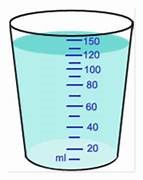
Living with MCS is a daily challenge that can be managed effectively. We use a “cup full” metaphor. At one point, my son was 99% cup (full of irritants); in other words, he reacted all day long. However, as we learned to manage the triggers, including food, he now varies between 50-90% depending on the weather, traffic, air quality, activities, and other factors. When he is at 50%, we may try to introduce new food items, but when he is at 80-90% we revert to strict adherence of his diet and environment.
Play Detective

Uncovering the problem(s) requires detective work; an open mind; and teamwork. An open mind is necessary since often a person may not realize that certain items are triggers; instead, they may present with odd behaviors: they subconsciously avoid exposure to certain items such as new clothes; reading books; fruit that is not organic although hungry; or even using eating utensils.
Where to Start? Think of the process as 3-steps.
- Inspect the Home for Triggers
The first step is to inspect the home for leaks or signs of moisture or areas where mold may grow. Walk around the home and carefully examine every wall and ceiling, especially those adjacent to the ground and near water such as the bathrooms and kitchen. Look for bubbled paint, water stains (brownish in color), and peeling paint. Walk around outdoors and look for breaks in stucco, holes in the wall, or water stains. Check all plumbing outlets including under the sinks and around the toilets for leaks. Consider having the toilets and sinks snaked as gross things can harbor just under the rim.

- Teamwork Trigger-Proof
The second step is to “trigger-proof” your home; this includes everyone’s living space whether they are sensitive or not.

- Stop using any artificial scents such as laundry soap; dryer sheets; air freshener; incense; essential oils; dishwasher detergent; cleaning agents; cigarette or marijuana smoking indoors.
- Air out dry-cleaned clothes and remove plastic prior to entering the home.
- Put away all scented toiletries including perfumes; after-shave; scented lotions; scented shampoos (remember family teamwork).
- Rewash clothes that may be carrying scent, including pet beds.
- Rewash or rinse all dishes that may have scented soap.
- Put all cleaning agents in the garage or outdoors for consideration later. Steam, unscented cleaners, or (unscented) bleach water may be options to consider initially. Wear a mask when cleaning.
- Avoid utilizing gas appliances even outdoors.
- Avoid using any pesticide (even “all natural”) or flea treatments (even pills).
- Enclose the mattress and pillows with zippered allergy covers (after washing the covers twice).
- Invest in a HEPA quality air cleaner and place in the bedroom; keep the unit running continuously.
- Replace all marking pens, pencils, and paints with simple ball point pens.
- Remove books from the bedroom and rooms that the sufferer frequents.
- Remove plastic bins and other plastics. Some items off-gas less then others.
- Place houseplants in an isolated area temporarily.

3. The True Detective Work Begins
Whew! Now that the first two steps are accomplished, the true detective work begins. How does the sufferer feel? Is there a change in symptoms? Are there patterns to behavior? These changes may be subtle but at this point every small step is a big win. Keep an open mind as behavior changes and symptoms are not always immediate. For example, a child getting angry or negative whenever entering the same location could represent a trigger in that location. My son loved to visit a small-town restaurant, but whenever we arrived, he would start crying and screaming. Turns out, the lot adjacent to the restaurant was an EPA toxic cleanup site. Once we figured out the trigger and took precautions such as KN95 mask use when in the area, there was no more drama.

Challenging household items
After creating a safe room, the room can be left alone or items can be added one-at-a-time. However, as MCS sensitivity varies from day-to-day, keeping the room clear of most items is advised.
If items need to be returned to room, allergists usually recommend that allergy-sufferers remove all potential irritants; wait at least 4 weeks; and then add one item at a time over an extended period. This method allows the sufferer to isolate what may be the irritant(s).
New Habits
The self-diagnosis of chemical sensitivity requires lifestyle changes but with many opportunities to grow in new directions. For example, instead of buying a new car, consider a gently used car; new cars will have numerous items that create off-gassing. The chemicals in the interior of a new car can take 6 months to off-gas, even with frequent cleaning and airing out; whereas a used car can air out over a very short time period 3-4 weeks or less depending on the habits of the prior user.
When buying clothes, focus on cotton and shy away from recycled plastics and rubber fabrics. Wash clothes 1-3 times before wearing, including shoes (wipe down non-washable shoes with vinegar water). Open new items outdoors and let the items air out, especially plastics and toys like Lego. Carry extra clothes in the car in case a store or restaurant had an airborne scent and change shirts before buckling up.
Until the person’s sensitivities settle down, consider washing everything 1-3 times with vinegar water before bringing indoors to alleviate the off-gassing especially plastics.
Lastly, make KN95 masks your friend. Take them everywhere; have (indoor) maintenance workers wear them; wear them in the car in traffic; wear them to the store. Life is much easier when the reactions are prevented rather then dealing with the drama and frustration, or in some cases the lingering illness.
These efforts may seem extreme, but finding the triggers and creating a chemical-free home is beneficial not just to the sufferer but the entire family.
Use the mantra: “If there is a smell, it is a trigger”.
References: