Are Car Trips a Disaster?
Child Outbursts In The Car?
“The thought of visiting an amusement park or museum sounds so enticing; yet everytime the family gets into the car for a field trip, our child throws a huge temper tantrum including crying, screaming, banging on the windows.”
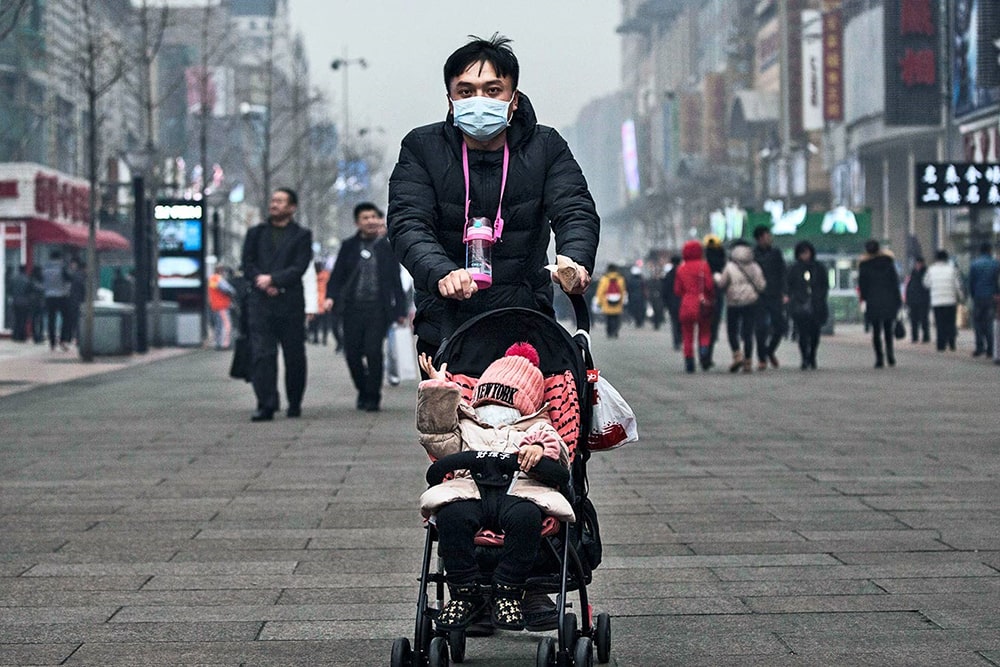
Does this sound familiar? Have you ever thought that maybe the child is not having a temper tantrum, but a reaction? Studies have shown that PM2.5 particles can travel deeply into the respiratory tract reaching the lungs. Traveling in a car exposes a sensitive person to high levels of particulate matter (PM2.5) and can illicit reactions such as behavioral outbursts, in addition to affecting individuals with cardiac or pulmonary disease.
Background on UFPs (PM2.5)
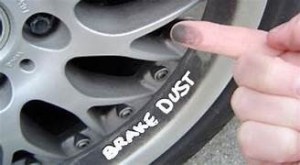
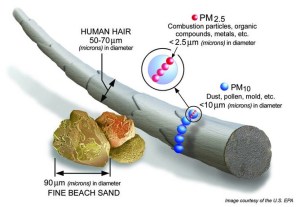
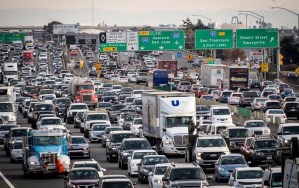
The stop-and-go mechanism of road traffic has been shown to release nanoparticles or ultra-fine particles (UFPs or PM2.5) into the air through brake and tire dust and car exhaust. According to the American Lung Association Ultrafine particles smaller than 0.1 micron in diameter are small enough to pass through the lung tissue into the blood stream, circulating like oxygen molecules, and can be harmful to your health. A person sensitive to low-oxygen situations or poor-oxygen situations is harmed by these particulates.
Exposure to fine particles can cause short-term health effects such as eye, nose, throat and lung irritation, coughing, sneezing, runny-nose and shortness of breath. Exposure to fine particles can also affect lung function and worsen medical conditions such as asthma and heart disease. People with breathing and heart problems, children and the elderly may be particularly sensitive to PM2.5
Who Is at Risk?
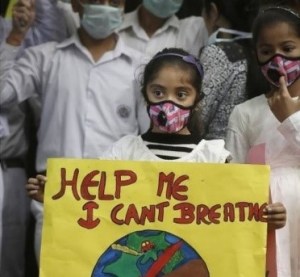
Everyone who lives where particle pollution levels are high, is at risk. People at the greatest risk from particle pollution exposure include:
- Pregnant individuals
- Infants, children and teens
- People with auto-immune disorders
- Older adults (>65 years of age)
- People with lung disease, such as asthma and chronic obstructive pulmonary disease (COPD)
- People with cardiovascular disease
- People who are obese or have diabetes
- Current or former smokers
What About My Child Riding In The Car?

Du, et al, performed a retrospective study review of 25 research articles looking at the effects of child behavior and particulant matter exposure (PM2.5). These articles included 12 studies that discussed the relationship between PM2.5exposure and childhood behavioral disorders, and 13 that discussed the relationship between PM2.5 exposure and abnormal behaviors in children. The results suggest that PM2.5 exposure will increase the likelihood of pediatric behavioral problems; the severity of which depends on the exposure.
Short-term exposure to PM2.5 can easily cause mild abnormal behaviors in children, and long-term exposure may increase the risk of children’s behavioral disorders. In conclusion, this study demonstrated that there is a high correlation between PM2.5 exposure and children’s behavioral problems.

The next time the family climbs into the car, consider having everyone utilize a KN95 mask to protect the family from pollution exposure, and keep your (unscented) car cabin air filters clean (and possibly add a charcoal filter).
References:
- https://www.health.ny.gov/environmental/indoors/air/pmq_a.htm#:~:text=Exposure%20to%20fine%20particles%20can,as%20asthma%20and%20heart%20disease.
- https://pubmed.ncbi.nlm.nih.gov/33455139/
- https://www.lung.org/clean-air/outdoors/what-makes-air-unhealthy/particle-pollution#:~:text=Ultrafine%20particles%20(not%20shown)%20are,particles%20can%20harm%20your%20health, 2023.
https://www.medicalmasksuperstore.com/kn95-masks-vs-pm2-5-filters/