
Is Gluten Destroying Our Bodies?
15 years ago during a vacation to Finland, my travel mate kept saying a strange word “Gleaton”. As we shopped daily for our food (as they often do in Europe), she was looking for “Gleaton-free bread” and “Gleaton-free beer”. What is “Gleaton”? In Finnish the word is actually “gluteeniton” meaning gluten-free.

Cycle forward a few years and “Gleaton-Free” diets hit our society by storm. The word “gleaton” is actually gluten and is most often found in breads but is also present in many processed foods, sauces, soups, and more.
How does gluten affect the body? For decades, Europeans have been watching gluten in their diets while in the U.S., alternative medicine practitioners encouraged their patients to eliminate gluten. Moving forward recent years, the medical community in the U.S. is starting to understand the challenges with gluten.

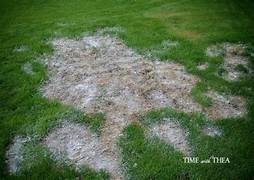
For people who suffer from Celiac Disease, gluten robs them of the ability to absorb nutrients. Imagine a car parked on the grass; the grass is unable to grow and will eventually die. Similarly, the small intestine lining is covered in hair-like structures called villi; these villi are what enable the body to absorb nutrients as food is digested. Gluten damages these hair-like structures preventing the body from absorbing nutrients.
In addition to celiac disease, there are numerous individuals considered “gluten-intolerant”; hence the term, non-celiac gluten sensitive or NCGS. Both celiac and non-celiac gluten sensitivity exhibit intestinal symptoms and what are known as extra-intestinal symptoms, symptoms that occur outside of the intestinal tract.
No specific markers or tests have yet to be developed to diagnose non-celiac gluten intolerance; hence practitioners diagnose based on clinical symptoms. If you have unexplained symptoms, talk to your licensed medical practitioner to explore the possibility of gluten sensitivity.

Since symptoms are very similar for celiac and nonceliac gluten sensitivity; clinicians recommend screening for celiac disease before implementing a gluten-free diet. Testing for celiac disease is no longer accurate if a gluten-free diet has already been initiated.
Symptoms of celiac disease or gluten sensitivity include:
- Diarrhea
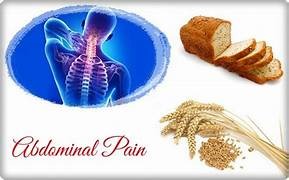
- Abdominal pain
- Weight loss and poor appetite
- Bloating or feeling full
- An itchy rash
- Growth delay (in children)
- Migraines
- Mood Disorders
- Confusion
Diagnosis of Gluten Sensitivity
There are reliable methods to diagnose celiac disease which include blood tests for specific antibodies, genetic testing, and intestinal biopsies. NCGS currently lacks validated biomarkers (antibodies and genetic markers); therefore, is more difficult to diagnose.
What foods contain gluten?
Aside from the obvious bread and pasta, gluten can also hide in the following:
- Glucose
- Fried foods (outer coating often has gluten)
- Soups (flour used as thickener)
- Ice cream (look for GF labeling or buy only traditional flavors Vanilla and Chocolate)
- Vitamins particularly Vitamin E
- Medicines
- Modified food starch (which is usually derived from wheat.)
- Natural Flavorings (especially caramel which usually comes from barley.) (look for a future article on natural flavorings)
- Maltodextrin

Gluten is found is found in many foods and sauces, and many cooks in restaurants are not aware of the ingredients of the food. To eat safely, avoid foods that hide gluten such as: soups, seasonings, sauces, dressings, gravies, and fried foods. Rather choose foods that are fresh such as grilled fish without any sauce or seasoning; green salad without croutons or dressing; sushi or other Asian food. Some places do make their soup from scratch and do not use wheat as a thickener, so in these cases, soup may be an option. Of course, Research Mama does not guarantee these options are gluten-free, it is up to each individual to inquire appropriately.

Maintaining a gluten-free diet can be challenging; however, with proper research; cleansing of the home kitchen and diet; and discovery of restaurants and dishes that serve gluten-free options, the sensitive person will find methods to live a normal lifestyle.
References:
- Obrenovich, Mark E.M., 2018 Oct 18;6(4):107. doi: 10.3390/microorganisms6040107
- https://www.hopkinsmedicine.org/health/conditions-and-diseases/dermatitis-herpetiformis
- Leonard, et al, Celiac Disease and Nonceliac Gluten Sensitivity: A Review, https://pubmed.ncbi.nlm.nih.gov/28810029/, 2017
4. Bold, Rostami, 2015, Non-coeliac gluten sensitivity and reproductive disorders, https://pubmed.ncbi.nlm.nih.gov/26468350/
- https://www.ncbi.nlm.nih.gov/pmc/articles/PMC6412791/#:~:text=gluten%20ataxia%20–%20autoimmune%20disorder%20whereby,of%20voluntary%20movements%20is%20compromised.
- Oxford Dictionary, https://www.oed.com/, August, 2021
- https://celiact.com/blogs/the-celiact-blog/96309126-a-10-000-year-history-of-gluten-where-did-this-stuff-come-from


